As an Amazon Associate this site earns from qualifying purchases.
Quick Picks
| Product | Format | Why it earns a place here |
|---|---|---|
| Stila Convertible Color Dual Lip & Cheek Cream Blush (Lillium) | Cream compact | Stila's listing describes a creamy, sheer, translucent tint applied by warming it between finger and thumb — a build-slowly method that is hard to overdo |
| Physicians Formula Powder Palette Multi-Colored Blush | Pressed powder mosaic | Multiple hues picked up in one swirl, which the brand says avoids a monochrome cast |
| Physicians Formula Happy Booster Glow & Mood Boosting Blush | Pressed powder, radiant finish | Multi-reflective pearls are part of the formula, so the finish leans glow rather than flat block colour |
Disclosure: We earn a small commission from qualifying Amazon purchases at no extra cost to you.
As an Amazon Associate we earn from qualifying purchases. This page contains affiliate links, and we may receive a commission if you buy through them — at no extra cost to you.
As an Amazon Associate, we earn from qualifying purchases.
Last Updated: September 2026
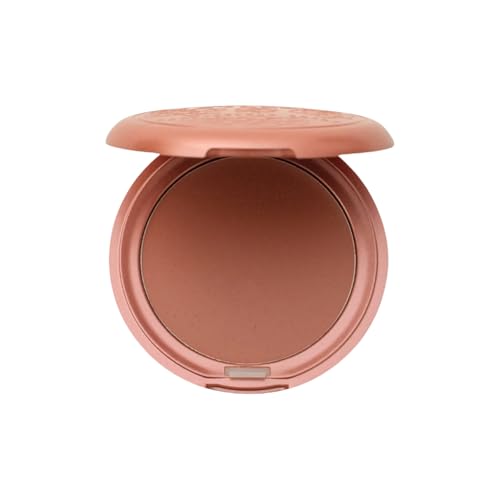
- RADIANT COLOR: Stila's multi-tasking lip makeup and blush compact brightens cheeks and lips with creamy, translucent color on the double. Leaves lips and cheeks radiant and rosy
- FRESH LOOK: Stila's lipstick and blush-in-one is non-greasy and proves irresistible. This creamy, sheer tint adds an natural glow to the cheeks while lips bloom with fresh
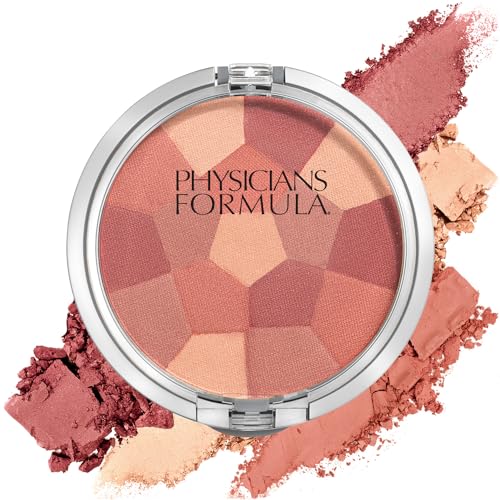
- PRESSED POWDER BLUSH MAKEUP: This multi-colored blush palette is a perfect blend of complimentary hues to accentuate & enhance cheekbones, for a fresh, healthy natural-looking
- PHYSICIANS FORMULA BLUSH COMPACT: Sweep on with a kabuki brush or blush brush, alone or over makeup, to enhance skin tone and correct imperfections. Blend of colors in pallet
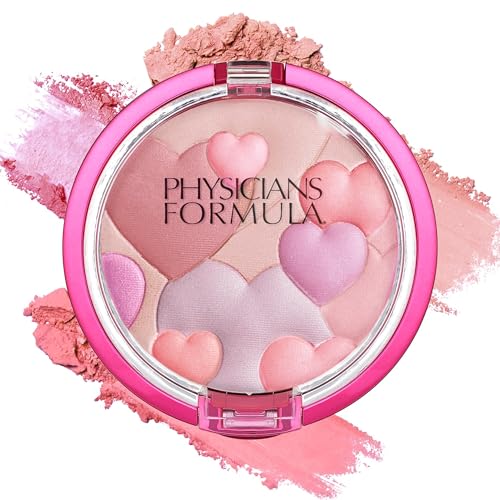
- BLENDABLE POWDER BLUSH: Featuring a fresh & vibrant mix of blush tones infused with a pop of color to create a healthy-looking glow. Multi-reflective pearls help highlight
- GET HAPPY: Infused with our Happy Boost Blend of natural plant extracts to help promote a feeling of happiness by mimicking the effect of endorphins & helping protect the skin
The Short Answer
To fix too much blush, do not scrub. Diffuse it. Take a clean, dry, dense brush and buff in small circles from the centre of the colour outward until the hard edge disappears, then press a thin layer of translucent or skin-tone powder over the top to mute the saturation. If it is still too bright, stipple a little foundation or concealer over the cheek with a damp sponge and re-blend. Only after all three of those fail is it worth removing anything.
That sequence matters. Most "clown cheeks" panic comes from the edge, not the pigment — a sharp boundary between cheek and skin reads as a stripe of colour, while the same amount of pigment blended into nothing reads as a flush.
The Problem: Why Blush Suddenly Looks Too Bright
There are really only four failure modes, and each has a different fix.
- Too much product on the brush. Powder blushes with heavy pigment load deposit far more on the first tap than you expect. Physicians Formula describes its blush range as "lushly pigmented" in its listing copy, which is exactly the sort of formula that needs tapping off before it touches your face.
- A hard edge. The colour itself is fine, but it stops abruptly. Your eye reads the border.
- The wrong placement. Colour sitting too low or too close to the nose looks feverish rather than flushed, no matter how well blended.
- A shade too saturated for your base. A single flat pink over a neutral foundation can look like a monochrome patch. Physicians Formula argues the case for multi-tone compacts directly, stating that a blend of colours in the palette gives "a soft, dimensional natural finish without a monochrome cast."
Step-by-Step: How to Tone Down Blush Without Removing Makeup
Step 1 — Stop and put the brush down. Adding more product to "balance" the other cheek doubles your problem. Work on the offending side only.
Step 2 — Buff with a clean dry brush. Use a firm, dense brush with nothing on it. Small circles, starting where the colour is heaviest, moving outward and upward. You are physically lifting excess powder and dragging the perimeter into a gradient. Stila's own application guidance for cream on cheeks is to tap colour in and blend outward and upward, which is the same directional logic.
Step 3 — Mute it with powder. A light dusting of translucent or skin-tone powder over the cheek knocks back saturation without shifting the underlying makeup. Press, do not sweep.
Step 4 — Neutralise with your base. If it is still shouting, put a small amount of your foundation on a damp sponge and stipple — never wipe — over the brightest area. This lays a translucent veil over the pigment.
Step 5 — Rebuild deliberately. Once the cheek is calm, add back a whisper of colour if you need it. Cream formulas are useful here because they melt into what is already on your face rather than sitting as a separate powder layer.
Step 6 — Check in real light. Bathroom lighting flatters and lies. Look at a window before you decide you have failed.
Tools and Products You'll Need
Recommended Products
A sheer, buildable cream for rebuilding colour: the Stila Convertible Color Dual Lip & Cheek Cream Blush (Lillium) is described in its Amazon listing as a creamy, translucent, sheer tint that leaves cheeks radiant and rosy, and as non-greasy. The listing's own instruction — press your ring finger into the cream, rub against your thumb to warm the colour, then tap into cheeks and blend outward and upward — is a deliberately slow, low-deposit method, which is the opposite of the loaded-brush habit that causes overapplication in the first place. The same listing notes it doubles as lip colour.
A multi-tone powder that resists looking like a stripe: the Physicians Formula Powder Palette Multi-Colored Blush is a pressed powder mosaic; you swirl a brush across the pattern to pick up a blend of shades at once. The brand states the resulting blend gives a soft, dimensional finish without a monochrome cast, and that it can be swept on with a kabuki or blush brush, alone or over makeup. That "over makeup" point is relevant to this article specifically — it is designed to layer on top of an existing base.
A radiant option if flat matte patches are your issue: the Physicians Formula Happy Booster Glow & Mood Boosting Blush contains multi-reflective pearls that the brand says help highlight, define and contour. Worth knowing before you buy: a pearl-containing blush is a different problem to over-apply, because excess shimmer is harder to buff back than excess flat pigment.
All three brands' listings sit behind the same caveat this site always applies: these are published listing claims, not results verified here. Check current price on Amazon for each.
Product Sections
Stila Convertible Color Dual Lip & Cheek Cream Blush (Lillium) — Best for rebuilding colour slowly after a fix
The reason this earns the slot is the specific application method in Stila's own listing: warm the cream between ring finger and thumb, then tap it in and blend outward and upward. Warming a translucent cream on your fingertip before it touches skin means you control deposit at the moment of transfer, not after. Stila describes the colour as creamy, translucent and sheer, and the formula as non-greasy.
Suits: anyone whose overapplication problem is a heavy hand with powder, and who wants one compact for lips and cheeks.
Tradeoffs: the supplied listing information does not state the pan size, ingredient list, or how many shades the line offers, so shade-matching beyond Lillium is not something this record establishes. Cream over powder can also disturb foundation if you drag rather than tap.
Physicians Formula Powder Palette Multi-Colored Blush — Best for avoiding a flat single-tone patch
The mosaic structure is the whole argument. Because you swirl across complementary hues rather than dipping into one flat pan, the brand says the deposit reads dimensional rather than monochrome. Physicians Formula also positions the line as hypoallergenic and safe for sensitive skin and eyes.
Suits: powder users who like a defined cheek but keep ending up with an obvious block of colour.
Tradeoffs: the brand describes its cosmetics as "lushly pigmented" — which is a strength, but pigmented powder is precisely the formula type that punishes an untapped brush. Tap off before every application.
Physicians Formula Happy Booster Glow & Mood Boosting Blush — Best for a radiant rather than matte finish
This one is a blend of blush tones with multi-reflective pearls, which the brand says help highlight, define and contour. If your cheeks read chalky or dull once you have buffed excess colour away, a light-reflecting formula gives you back dimension without adding more saturation.
One claim to read carefully: Physicians Formula says the Happy Boost Blend of plant extracts helps promote a feeling of happiness by mimicking the effect of endorphins. That is the manufacturer's marketing language, and the supplied record contains no independent verification of a mood effect. Buy it for the finish, not the mood claim.
Suits: dry or dull-looking skin, and anyone chasing glow over flatness.
Tradeoffs: shimmer is harder to tone down than matte pigment once overapplied, so apply this one in the smallest possible increments.
Tips for Best Results
- Tap the brush before every single application. Not just the first.
- Apply blush before powder, not after, if you want the option to mute it later.
- Use the residue. Whatever is left on the brush after the second cheek is usually the correct amount for the first.
- Build in two thin passes rather than one confident one.
- Match your blending direction to the product's guidance. Stila's listing specifies outward and upward for cheeks.
Common Mistakes to Avoid
- Wiping with a makeup wipe. You will strip foundation and leave a bare patch that is more obvious than the blush was.
- Adding bronzer to "balance" it. Now you have two problems occupying the same square inch.
- Blending with a dirty brush. Whatever is in the bristles goes onto your cheek.
- Judging under warm bathroom bulbs. Pink shifts dramatically under artificial light.
- Reaching for a new blush when the issue is your brush. A sparse, floppy brush cannot diffuse an edge no matter how good the formula is.
How We Research
This website does no product research and says so on every page. For this guide, product facts came from Amazon Creators API verified product records and the product listing feature bullets published for each ASIN, all retrieved on 10 September 2026. Claims were read closely and reported with their original scope intact — a brand saying a formula is hypoallergenic is recorded as that brand's claim, not as an independent finding. Where the supplied listing does not state a fact, such as pan weight or full ingredient lists, that is noted as unstated rather than guessed at.
Final Verdict
The fix for too much blush is almost never a new product; it is a clean dense brush and three minutes of patience. Buff, powder, stipple. In that order.
But if overapplication is a recurring pattern rather than a one-off, the format is worth changing. For a heavy hand, the Stila Convertible Color Dual Lip & Cheek Cream Blush (Lillium) is the most sensible switch on this list, because its listed application method — warming a sheer, translucent cream between finger and thumb before tapping it in — puts a deliberate low-deposit step between you and your cheek. If you are committed to powder, the Physicians Formula Powder Palette Multi-Colored Blush is the better structural choice, since picking up several hues in one swirl is the brand's stated route to a dimensional finish rather than a monochrome cast.
Related Resources
- How to build a natural everyday cheek look
- Cream versus powder blush: which format suits your skin
- Choosing blush brushes for blending
Sources & Methodology
No one at this website has worn, swatched or laboratory-tested any blush named above; there is no lab here and no sample cupboard. What was done instead is close reading of the Amazon Creators API verified product records and the manufacturer-written listing feature bullets for all three ASINs, retrieved 10 September 2026, with attention to what each brand actually commits to in writing — application method, finish, formula format — versus what is marketing atmosphere. For cheek colour specifically, that documentary evidence is genuinely useful for choosing a format and a blending approach, which is what this article is about; it cannot tell you how a shade will sit against your own skin tone, and no amount of specification reading substitutes for a swatch.