As an Amazon Associate this site earns from qualifying purchases.
Quick Picks
| Product | What it's for | Link |
|---|---|---|
| Bobbi Brown Pot Rouge | Multi-Use Cream Blush and Lip Tint | A pot-format cream the brand describes as smooth, creamy and buildable, with a dewy finish | Check Price on Amazon |
| e.l.f. Angled Blush Brush | A slanted synthetic brush the listing says works with wet or dry products | Check Price on Amazon |
| Maybelline New York Cheek Heat Gel-Cream Blush Makeup | An oil-free, water-based gel-cream option for a sheer, buildable flush | Check Price on Amazon |
Disclosure: We earn a small commission from qualifying Amazon purchases at no extra cost to you.
As an Amazon Associate we earn from qualifying purchases. This page contains affiliate links, and we may receive a commission if you buy through them — at no extra cost to you.
As an Amazon Associate, we earn from qualifying purchases.
Last Updated: September 2026
Patchy cream blush is almost never the blush's fault on its own. It happens when the surface underneath the blush is uneven — either too dry, too wet, too powdery, or already set — so the pigment grabs in some spots and slides in others. Fix the base and the timing, and most "bad" cream blushes suddenly behave.
Here's the short version: apply cream blush onto a base that is still slightly tacky, use a small amount, build in thin layers, and blend with something that moves product sideways rather than pushing it into one spot.
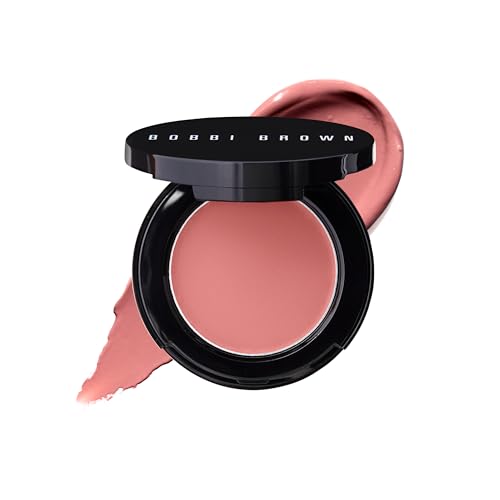
- Formula: Multitasking rouge delivers natural-looking color to both lips and cheeks with a dewy blush finish that enhances your complexion for an effortless, just-pinched glow
- Application: Smooth, creamy blush texture blends seamlessly onto skin for buildable coverage, allowing you to create subtle everyday looks or more vibrant makeup statements with
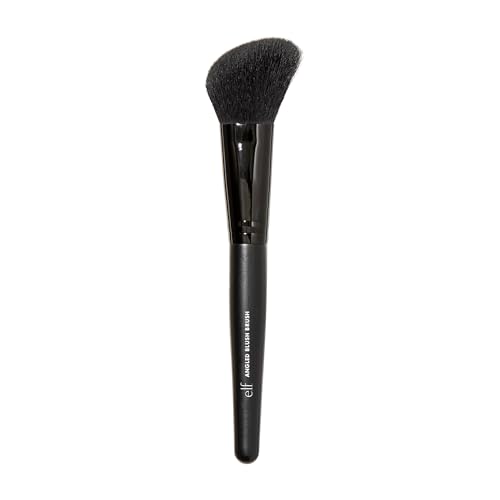
- THE ULTIMATE
- PRECISE APPLICATION: The slanted shape of the Angled Blush Brush offers precise application for a sculpted look while the soft yet dense synthetic bristles contour facial features
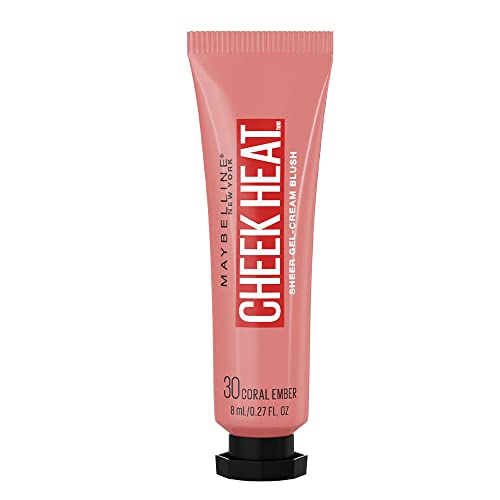
- Lightweight Gel-Cream Blush: Get a natural looking blush color and cheek tint instantly with this oil-free, water-based liquid blush formula that glides onto the skin leaving
- Buildable And Smooth: Infused with soft colorful pigments for a buildable blush you can tone up or down for a natural flushed look, simply layer this Easy to Use blush for the
The Problem: Why Cream Blush Goes Blotchy
Cream blush is a suspension of pigment in a spreadable base. That base needs somewhere to spread. When it can't spread evenly, you get streaks, dots of concentrated color, or a patch that looks darker over one cheekbone than the other.
Five causes account for most patchy cheeks:
- The foundation underneath has already set. A dry, set film doesn't accept a cream on top; the blush skids and deposits in clumps. This is the most common reason blush looks streaky over foundation.
- Powder was applied first. Powder creates a matte, absorbent layer. Cream hits it and grabs instantly at the first point of contact.
- Dry or flaking skin. Cream blush clings hardest to raised, dehydrated texture, which is exactly why the color concentrates on flaky patches — the classic "cream blush grabbing dry skin" complaint.
- Too much product at once. Cream pigment is dense. A big dose can't be spread thin enough before the formula starts setting.
- The wrong tool. A sponge that's bone-dry absorbs the emollients and drops the pigment; fingers that press instead of sweep concentrate it in one place.
Step-by-Step Solution: How to Fix Blotchy Blush
- Prep the skin, not just the face. If skin is flaking, exfoliation and moisturizer come first. No blending technique fixes texture the blush can catch on.
- Time it to the tacky window. Apply cream blush right after foundation or concealer, while the base still has a slight grip and hasn't fully dried down. Cream-on-cream blends; cream-on-set does not.
- Dose small. Take a fraction of what you think you need. Tap it out on the back of your hand first, then pick up from there.
- Place in dots or a light stripe, then move outward. Put color where you want the most intensity and blend away from that point — not back and forth over it.
- Blend with small circles, then a light sweep. Circles diffuse the edge; the final sweep unifies direction so you don't leave visible strokes.
- Build, don't correct. If it's too light, add a second thin layer. If it's too heavy, blend a little foundation or moisturizer over the edge rather than scrubbing.
- Set only after the cream has settled. A light dusting of powder afterward locks the shape. Powder first is what caused the problem.
Tools and Products You'll Need
Bobbi Brown Pot Rouge — Best for people who want one cream that works on cheeks and lips
The brand's own listing describes this as a multitasking rouge with a smooth, creamy texture that blends onto skin for buildable coverage, and a dewy finish for both lips and cheeks. Buildable is the operative word for anyone fighting patchiness: a formula meant to be layered gives you a way to start with too little instead of too much.
The pot format matters, too. You control the dose by how much you pick up, which is harder to do with a stick you swipe directly onto the cheek. The listing also notes a mirrored flip-top compact and travel size for touch-ups, plus nine available shades, described by the brand as complementing all skin tones.
Suits: dry to normal skin that wants a dewy, layerable cream and one product doing double duty on the lips.
Worth knowing: the supplied listing information gives a size of 0.13 ounce and does not state ingredients, wear time, or skin-type suitability, so anyone with a known sensitivity should check the full ingredient list on the packaging. A dewy finish is also, by definition, not a matte one — very oily skin may want powder over the top.
Maybelline New York Cheek Heat Gel-Cream Blush Makeup — Best for oil-free, water-based layering over foundation
Maybelline describes this as a lightweight, oil-free, water-based gel-cream that glides onto skin and leaves a soft, dewy finish. The oil-free, water-based description is genuinely useful information when you're troubleshooting patchiness: a water-based vehicle behaves differently on top of a silicone-heavy foundation than an oil-rich cream does, which is worth knowing if your current blush keeps balling up on your base.
The brand also calls it buildable and infused with soft pigments you can tone up or down by layering. That's the same principle as above — thin coats, repeated, beat one heavy pass.
Suits: anyone whose cream blush currently looks too pigmented on first contact and who wants a sheerer flush they control by layering.
Worth knowing: the supplied listing does not state wear time, water resistance, or a full ingredient list. Gel-cream textures generally set faster than heavy balms, so work one cheek at a time.
e.l.f. Angled Blush Brush — Best for controlled placement with cream formulas
This is the tool half of the fix. e.l.f. states the brush is good for cream, liquid or powder blush, bronzers or highlighters, and that it can be used with wet or dry products — the explicit wet-product compatibility is the reason it belongs in a cream blush routine rather than a powder-only kit.
The listing describes a slanted shape for precise application and soft yet dense synthetic bristles. Density is the useful trait here: a dense head moves cream across skin instead of letting it sink in and sit, which is exactly the failure mode a dry sponge produces. The bristles are described as 100% animal hair-free synthetic taklon, and e.l.f. says the brush is vegan and the brand is double-certified cruelty-free by Leaping Bunny and PETA.
Suits: anyone who currently applies cream blush with fingers and ends up with fingerprint-shaped color.
Worth knowing: an angled head places product precisely, which cuts both ways — precise placement means you must diffuse the edge deliberately. The supplied listing does not state brush dimensions or handle length.
Tips for Best Results
- Warm the product on the back of your hand before it touches your cheek. A slightly softened cream spreads further per unit of pigment.
- Blend in the direction of your facial hair and skin texture, not against it.
- Clean your brush regularly. Dried cream product in the bristles is a direct cause of streaking on the next use.
- Work in daylight if you can. Patchiness that vanishes under bathroom lighting reappears outdoors.
- Keep skincare and base products in the same broad family where possible; heavy oil under a water-based blush is a common friction point.
Common Mistakes to Avoid
- Setting the whole face with powder before blush. This is the single biggest cause of grabbing.
- Applying blush straight from the pot to the cheek with a loaded finger.
- Trying to fix a patch with more blush.
- Blending with a completely dry sponge, which absorbs the emollient and leaves pigment behind.
- Skipping moisturizer on dry skin and blaming the formula.
- Buffing aggressively over foundation, which lifts the base and creates a second kind of patchiness.
How We Research
This website does not perform hands-on or laboratory testing. For this article, product details were drawn from Amazon Creators API verified product records and the products' own listing feature bullets, retrieved 2026-09-10, and read closely for what the stated formula descriptions and materials imply for blending behavior. Where a listing does not state something — ingredients, wear time, dimensions — that is noted as unstated rather than guessed. General consumer-protection context is available from USA.gov and the CPSC.
Final Verdict
If your cream blush is patchy, change the sequence before you change the product. Blush goes on while the base is still tacky, in a small dose, built up in layers.
If you also want to change the product: the Bobbi Brown Pot Rouge is the pick when you want a dewy, buildable cream in a pot you can dose precisely and use on lips as well, per the brand's description of it as a multi-use cream blush and lip tint. The Maybelline New York Cheek Heat Gel-Cream Blush Makeup is the sharper choice for a sheer, oil-free, water-based layer if your current cream sits too heavily over foundation. And the e.l.f. Angled Blush Brush is the structural fix in this article, because e.l.f. states it works with wet or dry products and pairs a slanted shape with dense synthetic bristles — the combination that spreads cream rather than stamping it.
For related reading, see our guides to choosing a cream blush shade and making cream products last on oily skin.
Sources and Methodology
This article is not based on product research: the products were not applied, worn or swatched for this page. What went into this page was a close reading of the Amazon Creators API verified product records and every published listing feature bullet for ASINs B007GOQYR6, B008SYWGW0 and B07W5SSYJG, retrieved 2026-09-10, plus reasoning from cosmetic formulation basics that the listings themselves describe — pot versus gel-cream, oil-free versus dewy, wet-compatible bristles versus powder-only tools. That gets you reliable answers about format, stated finish and intended use, which is what actually determines whether a cream blush layers cleanly; it cannot tell you how a specific shade will oxidize on your skin or how long it wears on your face, and this page does not pretend otherwise.